


What Does Your Check Engine Light Mean? Common Causes
Your check engine light turns on, and your first thought is simple: what does it mean, and is it serious? This isn’t an uncommon response. Many drivers ask, “why is my check engine light on,” and worry about what comes next.
When the check engine light turns on, your vehicle is trying to tell you something. Some issues are minor. Others can lead to major damage if ignored. The key is understanding what your check engine light means and when to act.
Check Engine Light Meaning and How It Works
Your vehicle has an onboard computer system that tracks engine performance. When it detects a problem, it triggers the check engine light. This system stores a diagnostic trouble code that points to the issue.
The check engine light meaning can vary. It could be something simple like a loose gas cap. It could also signal a deeper problem with your engine, emissions system, or sensors.
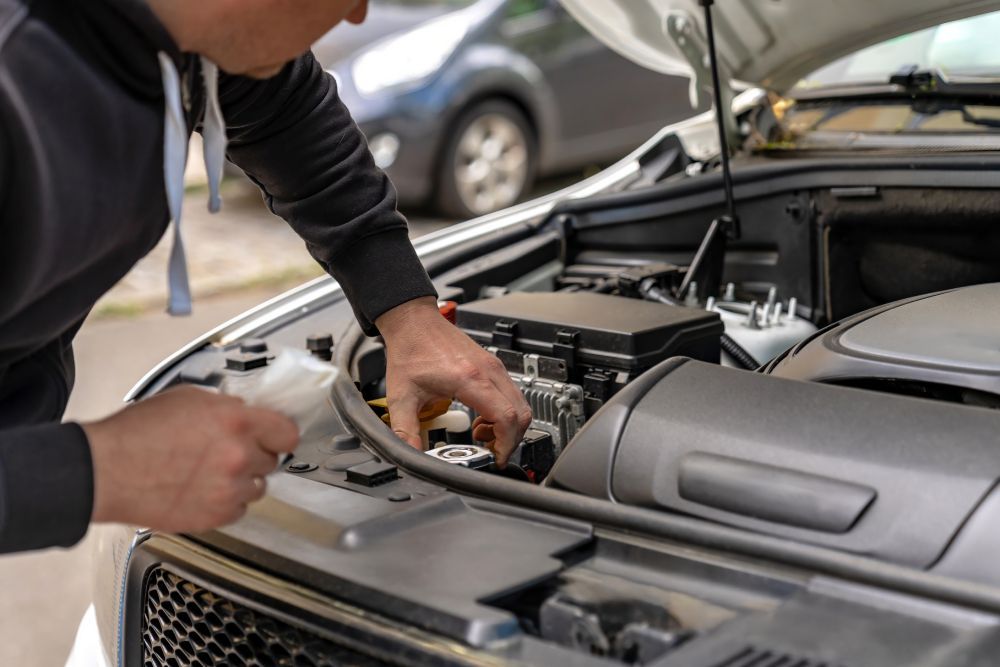
Modern vehicles rely on sensors to monitor fuel, air, and ignition timing. If one of these systems falls out of range, your car alerts you right away. That is where professional engine diagnostics come in.
Most Common Check Engine Light Causes
If your check engine light is on, there are a few common reasons behind it:
- Loose or damaged gas cap
- Faulty oxygen sensor
- Worn spark plugs or ignition coils
- Catalytic converter issues
- Mass airflow sensor problems
- Fuel system issues
These are the most frequent check engine light causes we see in the shop. Some are quick fixes. Others require deeper engine diagnostics and repair to prevent long term damage.
Ignoring these issues can reduce fuel efficiency, cause rough driving, or lead to expensive repairs later. That is why early action matters.
Solid vs. Flashing Check Engine Light
Understanding the difference between a solid vs flashing check engine light can save you from serious trouble. A solid check engine light usually means a non-urgent issue. You should still schedule service soon, but your car is typically safe to drive for a short time.
A flashing check engine light is more serious. It often signals an active misfire or a condition that can damage your catalytic converter. Driving in this state can make repairs more expensive.
If your light is flashing, reduce speed and avoid heavy acceleration. Then bring your vehicle in right away for inspection.
When to Bring Your Car In for Engine Diagnostics
If you are asking, “why is my check engine light on?” it is time to take action. Waiting too long can turn a small repair into a major one.
Bring your vehicle in if:
- The check engine light stays on for more than a day
- You notice rough idling or poor acceleration
- Your fuel economy drops suddenly
- The light is flashing
- You smell unusual exhaust odors
At Scotts Valley Transmission & Auto Care, we use advanced tools to run full engine diagnostics. Our ASE-certified technicians identify the exact issue and recommend the right repair.
We also look at the bigger picture. Many engine problems connect to missed preventative maintenance. Staying on top of oil changes, filters, and inspections can help you avoid future warning lights.
If you are searching for Auto Repair in Santa Cruz, our shop is a trusted choice for reliable service and honest answers.
Take the Next Step
Your check engine light is not something to ignore. It is your car’s early warning system, and it gives you a chance to fix problems before they get worse.
But guessing is not a strategy. The only way to know what is wrong is through proper engine diagnostics and repair.
Contact Scotts Valley Transmission & Auto Care or schedule your visit online today. If your check engine light is on, we will find the cause and get you back on the road with confidence.
Learn how often to change brake fluid, what affects the interval, and which warning signs need attention. Read the guide and book a brake check.

A fleet vehicle inspection checklist helps catch issues early and reduce downtime. Learn what to include and book fleet maintenance today.
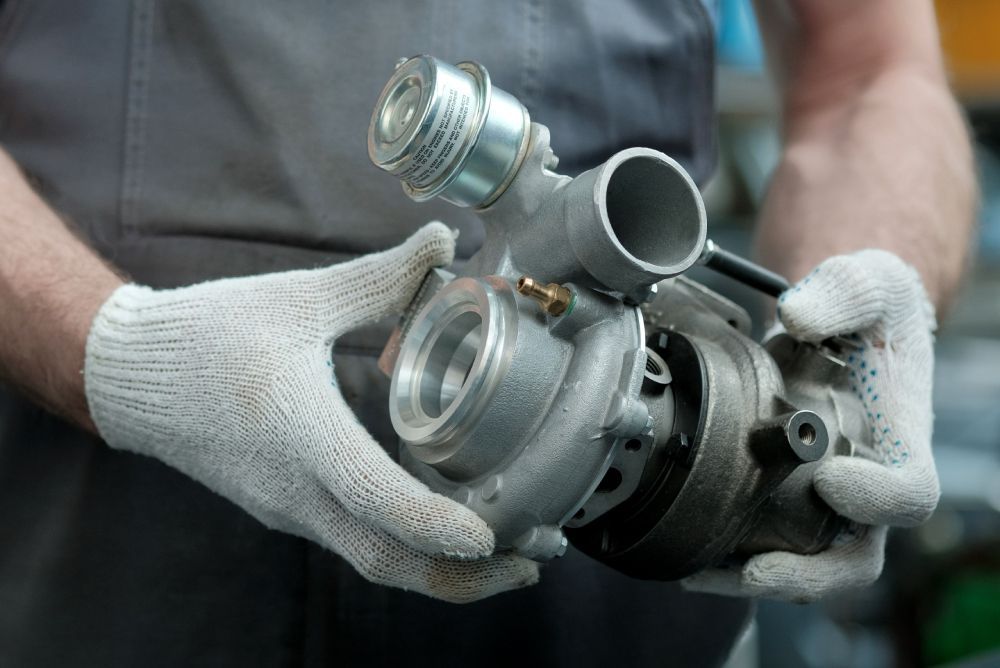
Common Ford Powerstroke problems include EGR failures, injector issues, and turbo faults. Learn the warning signs and when to schedule diesel repair.