


What to Include in a Fleet Vehicle Inspection Checklist
A fleet vehicle inspection checklist helps businesses keep vehicles safe, reliable, and ready for daily operation. Whether your company manages, service trucks, diesel vehicles, or mixed-use fleet units, regular inspections can reduce downtime and help prevent costly breakdowns. For businesses searching for dependable auto repair support in Santa Cruz, a clear inspection process is an important part of long-term fleet performance.
Fleet vehicles often work harder than personal vehicles. They may spend more time in traffic, carry heavy loads, idle for long periods, or travel many miles each week. Without consistent inspections, small issues like low fluids, worn brakes, tire damage, or warning lights can turn into expensive repairs and lost productivity.
Why Fleet Vehicle Inspections Matter for Your Business
Fleet inspections protect your drivers, your vehicles, and your bottom line. A well-maintained vehicle is less likely to break down during a job, miss a delivery window, or create safety concerns on the road. Regular inspections also help fleet managers track recurring issues and plan service before problems become urgent.
A strong fleet maintenance checklist supports better scheduling and budgeting. Instead of reacting to breakdowns, your business can stay ahead with routine service, diagnostics, and preventative maintenance. This approach can extend vehicle life, reduce emergency repairs, and keep your team moving.
Inspections also create accountability. When drivers and managers follow a documented process, it becomes easier to identify damage, monitor wear, and confirm that each vehicle is safe before use.
Daily Driver Pre-Trip Inspection Items
A daily pre-trip inspection should be simple, consistent, and easy for drivers to complete before operating the vehicle. The goal is to catch obvious safety or drivability concerns before the vehicle leaves your lot.
Daily items should include tire condition, tire pressure, visible leaks, lights, turn signals, brake lights, mirrors, windshield condition, wipers, horn, seat belts, and dashboard warning lights. Drivers should also check fluid levels when appropriate and report unusual noises, vibration, steering concerns, or braking issues.
A good vehicle inspection checklist should include space for notes, date, vehicle number, mileage, and driver name. This gives fleet managers a written record of vehicle condition and makes it easier to track repairs.
Drivers should never ignore warning lights or changes in how the vehicle feels. Even minor symptoms can point to bigger problems, especially in commercial vehicles that operate daily.
Weekly and Monthly Fleet Inspection Points
Weekly and monthly inspections should go deeper than a daily walkaround. These checks are designed to monitor wear, identify developing issues, and schedule maintenance before a vehicle becomes unsafe or unreliable.
Weekly inspection points may include brake performance, tire tread depth, battery condition, belts, hoses, fluid condition, steering response, suspension concerns, and signs of leaks. For diesel vehicles, inspections may also include fuel system concerns, exhaust system condition, and filter maintenance.
Monthly inspections should review oil change status, transmission fluid condition where applicable, coolant condition, alignment concerns, brake wear, suspension components, and maintenance history. This is also a good time to check whether each vehicle is due for factory-recommended service.
A detailed fleet safety inspection can help prevent avoidable accidents and repair delays. When inspections are paired with professional service, your business can make smarter decisions about repairs, replacements, and vehicle rotation.
Annual DOT and Safety Inspection Requirements
Businesses operating certain commercial vehicles may need to follow state and federal inspection requirements. A commercial vehicle inspection may include brakes, tires, lights, steering, suspension, coupling devices, exhaust systems, emergency equipment, and other safety-related items.
A DOT inspection checklist is especially important for businesses with regulated vehicles. Requirements can vary based on vehicle type, use, weight, and operating area, so fleet managers should stay informed and maintain accurate inspection records.
Annual safety inspections are not just about compliance. They also help identify problems that may not show up during daily operation. Worn suspension parts, brake issues, leaks, lighting faults, and steering concerns can create risk if they are not corrected.
Working with a professional repair shop helps ensure your vehicles are inspected thoroughly and serviced properly. If your fleet operates under demanding conditions, annual inspections should be supported by regular preventative maintenance throughout the year.
Schedule Fleet Inspections With Our Shop
Scotts Valley Transmission & Auto Care provides professional fleet maintenance and repair for local businesses that depend on safe, reliable vehicles. Our team can inspect key systems, diagnose warning lights, review maintenance needs, and help your business reduce downtime through scheduled service.
Whether you manage a few work vehicles or a larger fleet, consistent inspections are one of the smartest ways to protect your operation. Preventative maintenance helps keep vehicles on the road, drivers safe, and repair costs more predictable.
If your business needs help building or following a fleet vehicle inspection checklist,
contact Scotts Valley Auto Repair & Transmission today. Schedule fleet inspections with Scotts Valley Transmission & Auto Care and keep your vehicles ready for the road.
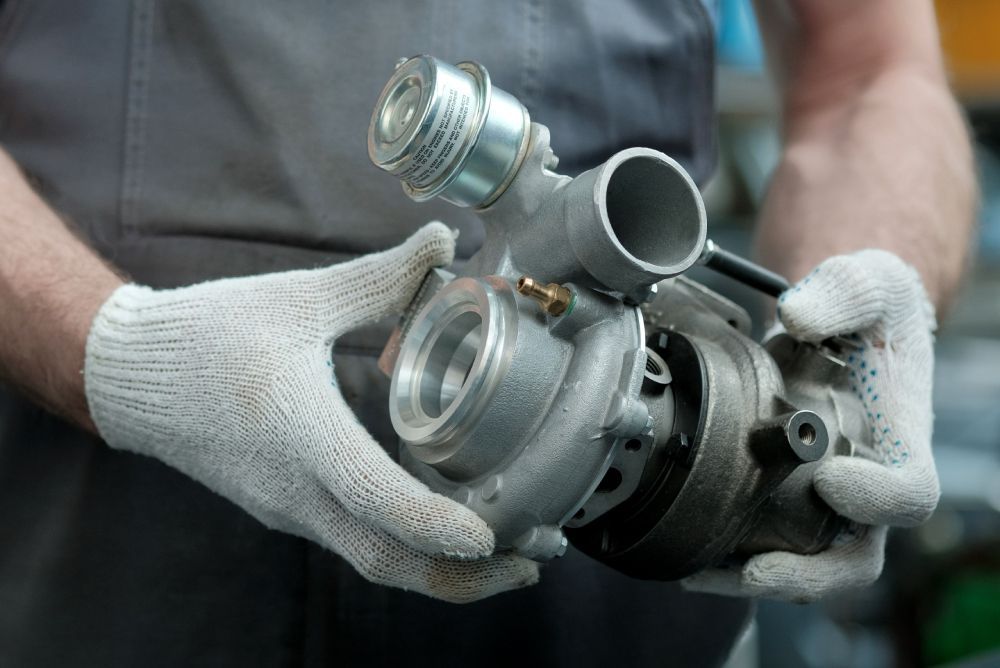
Common Ford Powerstroke problems include EGR failures, injector issues, and turbo faults. Learn the warning signs and when to schedule diesel repair.
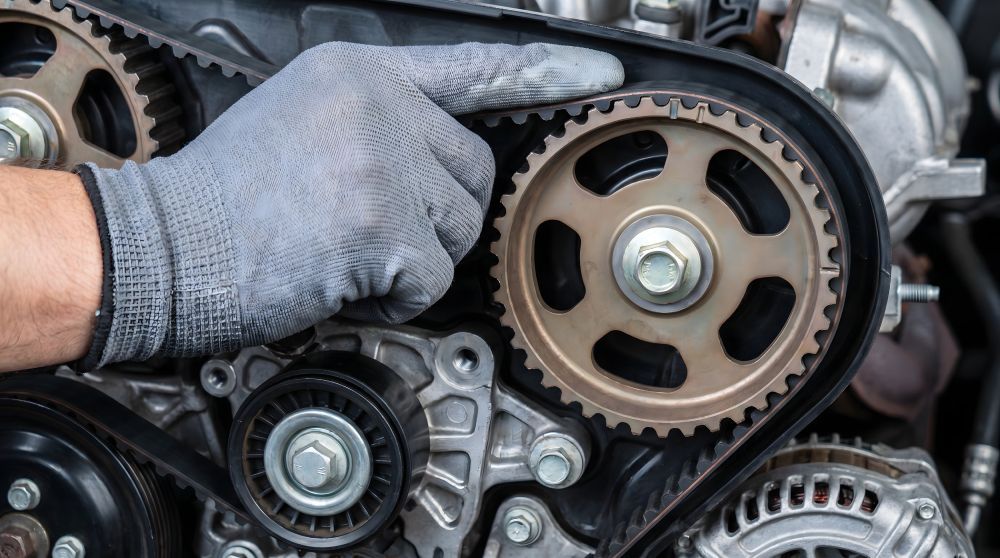
A timing belt replacement protects your engine from costly damage. Learn typical mileage intervals, warning signs, and when to schedule service.

Experiencing power steering problems like stiff steering or noises when turning? Learn the warning signs, causes, and when to schedule a repair.