


Common Ford Powerstroke Problems and How to Fix Them
Ford Powerstroke problems can range from minor performance issues to serious engine failures if they are not diagnosed early. These diesel engines are known for power, towing ability, and long service life, but they still need proper maintenance and timely repairs. For drivers searching for auto repair services in Santa Cruz trusted diesel diagnostics near Scotts Valley, understanding the warning signs can help prevent larger repair bills.
Powerstroke engines are used in many Ford Super Duty trucks and commercial vehicles. Because they often handle towing, hauling, and fleet work, components like the EGR system, fuel injectors, turbocharger, oil cooler, and head gaskets can experience heavy stress. Knowing what to watch for helps you schedule service before a small issue becomes a major breakdown.
EGR Valve and Cooler Failures in Powerstroke Engines
EGR system issues are among the most common concerns in Ford diesel engines. The EGR valve helps recirculate exhaust gases back into the engine to reduce emissions, while the EGR cooler helps lower exhaust gas temperatures before they re-enter the intake system. When either part fails, the engine can run poorly and may trigger warning lights.
An EGR cooler failure may cause coolant loss, white exhaust smoke, overheating, rough running, or repeated check engine light problems. In some cases, coolant contamination or restricted coolant flow can contribute to additional engine issues. This is especially important on certain 6.0L Powerstroke engines, where EGR and oil cooling system problems are often connected.
The right fix starts with proper diagnostics. A qualified Ford diesel mechanic can test the EGR valve, inspect the cooler, check coolant condition, and identify whether related components are contributing to the failure. Replacing parts without diagnosing the root cause can lead to repeat problems.
Fuel Injector Problems and Symptoms to Watch
Powerstroke injector problems can affect drivability, fuel economy, starting performance, and overall engine power. Diesel fuel injectors must deliver precise amounts of fuel under high pressure. When they become worn, restricted, or electronically faulty, the engine may not run correctly.
Common symptoms include rough idle, hard starting, excessive smoke, reduced power, poor acceleration, misfires, or a noticeable drop in fuel efficiency. In severe cases, the truck may run unevenly or fail to start. Contaminated fuel, poor maintenance, electrical faults, and normal wear can all contribute to injector issues.
Injector problems should be addressed quickly because poor fuel delivery can place added stress on the engine and emissions system. Professional Ford diesel repair service can include scan tool diagnostics, fuel pressure testing, balance testing, and inspection of related fuel system components.
Turbocharger Issues in 6.0L and 6.7L Powerstrokes
Turbocharger problems are also common in diesel trucks, especially vehicles used for towing or heavy-duty work. The turbocharger helps the engine produce more power by forcing more air into the combustion process. When it is not working properly, performance can drop quickly.
Some 6.0 Powerstroke problems involve sticking turbo vanes, boost leaks, oil contamination, or control issues. Drivers may notice poor acceleration, excessive exhaust smoke, whining noises, reduced towing power, or a check engine light. These symptoms should not be ignored, especially if the truck is used for work or long-distance driving.
Some 6.7 Powerstroke problems can also involve turbocharger faults, sensor issues, actuator problems, or air intake restrictions. Because modern diesel engines are electronically controlled, accurate diagnostics are essential. A technician should inspect the turbo system, intake piping, boost pressure readings, and related sensors before recommending repair.
Head Gasket and Oil Cooler Failures Explained
Head gasket and oil cooler failures can be serious Powerstroke concerns. The oil cooler helps regulate engine oil temperature and can also affect coolant flow through the engine. If it becomes restricted or fails, engine temperatures can rise and other parts may be damaged.
On some Powerstroke engines, oil cooler restrictions can contribute to EGR cooler problems, overheating, and engine stress. Warning signs may include rising coolant temperatures, oil temperature concerns, coolant loss, white smoke, or repeated cooling system issues.
Head gasket failure is another major issue that requires immediate attention. Symptoms may include overheating, coolant loss, pressure in the cooling system, poor performance, or exhaust gases entering the coolant. These repairs should always be handled by an experienced diesel repair shop because incorrect diagnosis can lead to unnecessary repairs or missed damage.
Preventative maintenance plays a major role in avoiding these problems. Regular coolant service, oil changes, filter replacement, and inspections can help reduce the risk of costly failures.
Schedule Ford Diesel Service With Our Shop
Scotts Valley Transmission & Auto Care provides professional Ford diesel service for drivers who depend on their trucks for work, towing, commuting, and fleet operations. Whether you are dealing with rough running, warning lights, coolant loss, smoke, low power, or hard starting, our team can inspect the issue and recommend the right repair.
Do not wait for diesel engine problems to get worse. Early diagnostics can help protect your engine, reduce downtime, and prevent more expensive damage. Our shop provides trusted diesel repair services for Ford trucks and other diesel-powered vehicles.
If you are noticing symptoms related to Ford Powerstroke problems,
contact Scotts Valley Transmission today. Schedule an appointment with Scotts Valley Transmission & Auto Care for reliable diesel diagnostics, maintenance, and repair.

A fleet vehicle inspection checklist helps catch issues early and reduce downtime. Learn what to include and book fleet maintenance today.
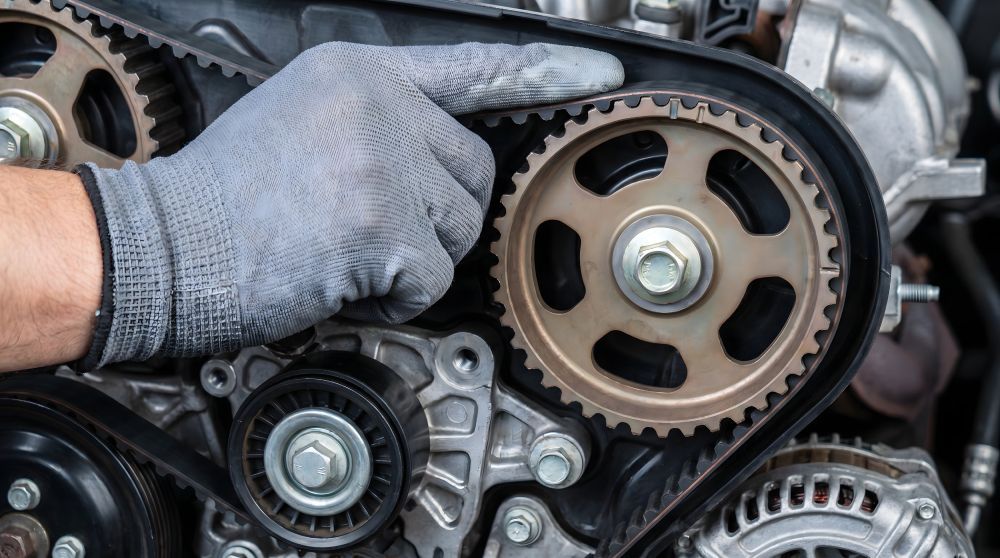
A timing belt replacement protects your engine from costly damage. Learn typical mileage intervals, warning signs, and when to schedule service.

Experiencing power steering problems like stiff steering or noises when turning? Learn the warning signs, causes, and when to schedule a repair.