


Why You Should Have Your Transmission Serviced
If you're wondering why you should have your transmission serviced when everything still feels fine, the honest answer isn't about a fixed mileage number; it's about what you don't feel yet. Transmission problems rarely announce themselves early. By the time you notice slipping, delayed engagement, or a burning smell, the fluid has usually been breaking down for a while.
At our Auto Repair in Santa Cruz, we treat transmission service as one of the few maintenance items where staying ahead of the symptoms pays off.
What a Transmission Service Includes
So what does a transmission service include? It depends on your vehicle. Our technicians follow the manufacturer's recommended procedure for your specific make and model, assess the condition of the fluid and related components, and recommend the service your transmission actually needs, rather than a one-size-fits-all checklist.
It's a more thorough process than a simple top-off, which is why our ATRA and ATSG-trained technicians treat it as a full inspection rather than a quick fluid swap. During that inspection, technicians can also catch early signs of trouble like a small leak or a worn seal, which are cheaper to address now than after they need a bigger repair. It's one more reason routine service pays for itself.
Recommended Transmission Service Intervals
Most manufacturers recommend servicing somewhere between 30,000 and 60,000 miles for a manual transmission, while automatic transmissions typically run longer between services, often 60,000 to 100,000 miles, since more heat moves through an automatic system and breaks the fluid down differently. Vehicles running synthetic fluid can go longer, while stop-and-go traffic, frequent grades through the Santa Cruz Mountains, or towing will shorten that window.
Your owner's manual is the best guide for your transmission service interval, but if you're not sure where your vehicle falls, our team can check your fluid condition and give you a straight answer.
Benefits of Routine Transmission Maintenance
Clean fluid does more than protect the transmission; it keeps your shifts smoother and your RPMs where they should be. Slipping, unusual noises, delayed engagement, or engine speed rising without matching acceleration are all signs worth having a technician look at right away.
Routine transmission maintenance catches wear and contamination before they reach that point, extends the life of the transmission, and helps it run cooler on the kind of hill driving that's hard to avoid around here. It also helps maintain smoother towing performance and protects your vehicle's resale value over time
Transmission Service Cost vs. Repair Costs
Is transmission service necessary? Compare transmission service cost to the price of a full rebuild or replacement, and the answer becomes obvious. A transmission service is routine maintenance, and it costs far less than what a full rebuild or replacement runs. That gap is wide enough that most drivers who've been through a transmission failure wish they'd kept up with service instead. We won't recommend a service you don't need, and if your transmission does turn out to need more than that, our team will walk you through proper transmission diagnostics and repair rather than just handing you a number and hoping you don't ask questions.
Transmission problems rarely wait for a convenient time, and they only get pricier to fix the longer they're ignored. If it's been a while since your last service, or you've noticed any of the symptoms above,
contact Scotts Valley Transmission and Auto Care and let our team take a look. It's a simple habit, and it's exactly why you should have your transmission serviced before a small issue turns into a big one.
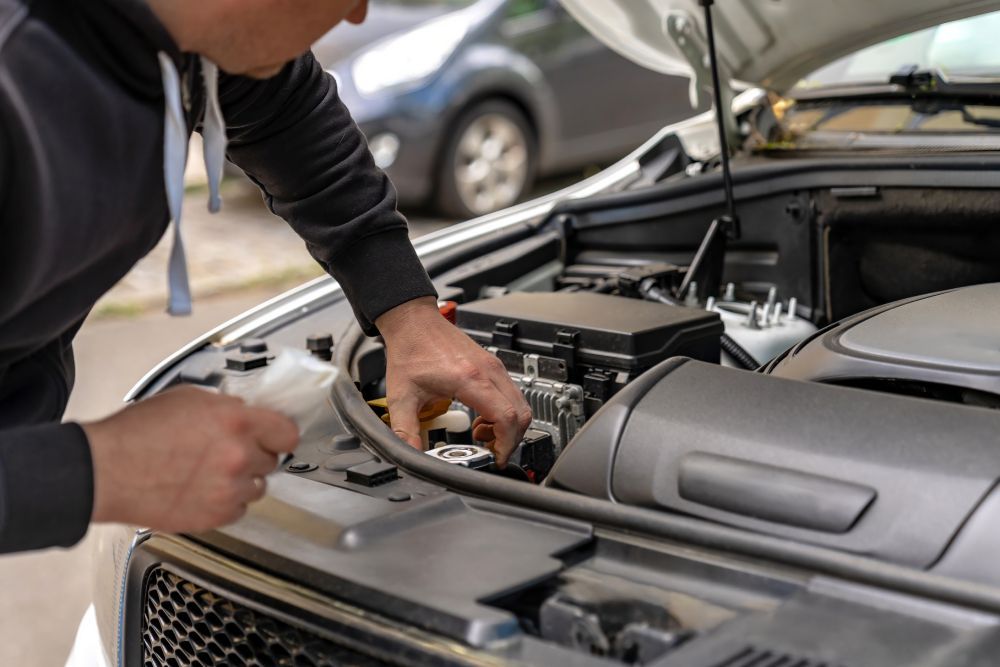
Learn how often to change brake fluid, what affects the interval, and which warning signs need attention. Read the guide and book a brake check.

A fleet vehicle inspection checklist helps catch issues early and reduce downtime. Learn what to include and book fleet maintenance today.
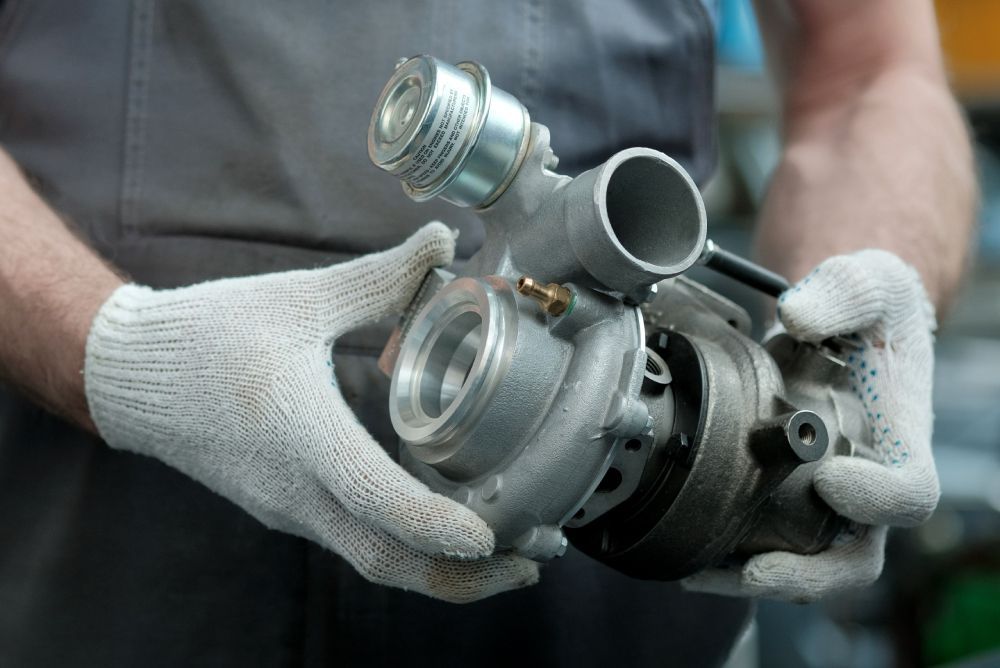
Common Ford Powerstroke problems include EGR failures, injector issues, and turbo faults. Learn the warning signs and when to schedule diesel repair.