


When You Need a Timing Belt Replacement and Why It Matters
A timing belt replacement is one of the most important preventative maintenance services for vehicles equipped with a timing belt. This belt keeps critical engine components moving in sync, and when it wears out, cracks, or fails, the result can be serious engine damage. For drivers searching for reliable auto repair services in Santa Cruz, knowing when to replace a timing belt can help prevent unexpected breakdowns and expensive repairs.
Unlike some parts that give obvious signs before failure, a timing belt can look fine from the outside while weakening internally. That is why mileage, age, and manufacturer recommendations matter. If your vehicle is approaching its recommended service interval, it is better to schedule an inspection now than wait for a major engine problem later.
How a Timing Belt Works in Your Engine
The timing belt connects the crankshaft and camshaft so your engine’s valves and pistons move at the correct time. In simple terms, it helps your engine breathe, compress fuel and air, and produce power smoothly. If the timing is even slightly off, the engine may run poorly or fail to start.
Many engines rely on a rubber timing belt with reinforced materials inside. Over time, heat, oil contamination, age, and normal wear can weaken the belt. Because the belt is often hidden behind protective covers, it is not always easy for drivers to check its condition visually.
Some vehicles use timing chains instead of timing belts, but if your vehicle has a timing belt, service should not be delayed. A professional inspection can confirm your vehicle’s setup and help you plan the right maintenance schedule.
Recommended Timing Belt Replacement Intervals by Mileage
The correct timing belt replacement interval depends on your vehicle’s make, model, engine design, and manufacturer recommendations. Many timing belts are replaced somewhere between 60,000 and 100,000 miles, but the exact number can vary. This is why checking your owner’s manual or speaking with a qualified repair shop is important.
When deciding when to replace timing belt components, mileage is only part of the equation. Age also matters. A vehicle with low mileage may still need service if the belt is old, dried out, or exposed to harsh driving conditions. Stop-and-go traffic, heat, towing, and long periods of sitting can all affect belt life.
Your vehicle’s timing belt mileage should be reviewed during routine maintenance visits. If you are unsure when to change timing belt parts on your car, Scotts Valley Transmission & Auto Care can inspect your vehicle and help you understand the proper service timeline.
Warning Signs Your Timing Belt Needs Replacing
Some drivers do notice symptoms before a timing belt fails. Common signs of a bad timing belt may include ticking noises from the engine area, engine misfires, rough running, oil leaks near the timing cover, or difficulty starting the vehicle. In some cases, the check engine light may also come on.
However, not every failing timing belt gives a clear warning. That is what makes scheduled maintenance so important. Waiting for symptoms can be risky because a belt failure can happen suddenly.
If your vehicle is near the recommended mileage interval or you do not know when the belt was last replaced, do not ignore it. A timing belt inspection can help identify whether service is due and whether related components, such as tensioners, pulleys, or the water pump, should be reviewed at the same time.
What Happens If You Do Not Replace It in Time?
If a worn timing belt breaks, your engine may shut off immediately and leave you stranded. In some engines, especially interference engines, a broken timing belt can allow internal parts to collide. This can lead to bent valves, damaged pistons, cylinder head damage, or complete engine failure.
That kind of repair is far more serious than routine maintenance. While many customers ask about timing belt replacement cost, the better question is what it could cost if the service is ignored. Preventative maintenance is often the smarter choice because it helps protect the engine before damage occurs.
A timing belt service can also provide peace of mind. Once the belt and related components are properly serviced, you can drive with more confidence knowing one of the engine’s most important systems has been addressed.
Schedule Timing Belt Replacement With Our Shop
Scotts Valley Transmission & Auto Care provides trusted engine maintenance, diagnostics, and repair services for local drivers and businesses. If your vehicle is due for a timing belt replacement, our team can inspect the system, review your vehicle’s service recommendations, and help you plan the right repair.
Whether you are keeping up with routine maintenance or responding to possible belt-related symptoms, professional service matters. Do not wait until a worn belt causes major engine damage.
For dependable preventative maintenance,
contact Scotts Valley Transmission today. Schedule your appointment with Scotts Valley Transmission & Auto Care and protect your engine with timely
timing belt replacement service.

A fleet vehicle inspection checklist helps catch issues early and reduce downtime. Learn what to include and book fleet maintenance today.
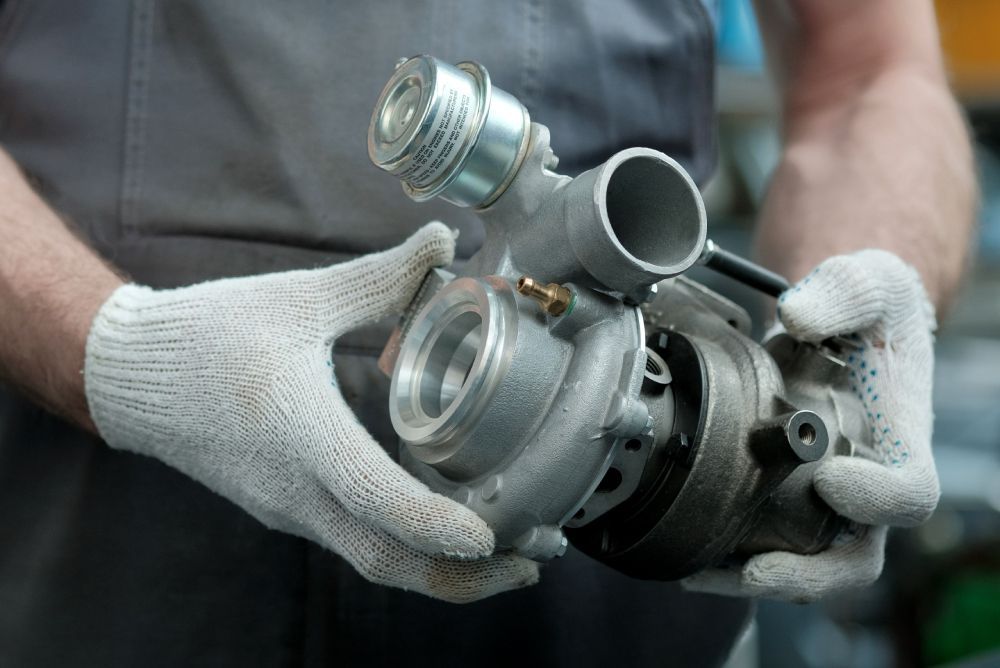
Common Ford Powerstroke problems include EGR failures, injector issues, and turbo faults. Learn the warning signs and when to schedule diesel repair.

Experiencing power steering problems like stiff steering or noises when turning? Learn the warning signs, causes, and when to schedule a repair.