


What Is Fleet Maintenance and Why Is It Important?
If you run a business with more than one vehicle, congratulations—you have a fleet. It doesn't matter if it's two delivery vans or fifty trucks. And if you have a fleet, you need fleet maintenance, whether you want to think about it or not.
Here's the uncomfortable truth: most business owners would rather focus on literally anything else. Fleet maintenance feels like a necessary evil, something that costs money without making money. But ignoring it is like ignoring that weird noise your car makes—it doesn't make the problem go away, it just makes it more expensive later.
Why Is Fleet Maintenance Important?
Fleet maintenance is basically keeping your work vehicles in good enough shape that they don't leave you stranded or, worse, cause an accident. It's the difference between your delivery driver making it to all their stops and your delivery driver calling you from the side of the highway. Here are the top three reasons why fleet maintenance is important:
- Safety is the big one. A vehicle with bad brakes or worn tires isn't just unreliable—it's dangerous. And when something goes wrong, it's not just your driver at risk. It's everyone else on the road too.
- Then there's the money part. A well-maintained vehicle uses less fuel and breaks down less often. That means you're spending less on gas and emergency repairs. It also means your vehicles are actually working instead of sitting in a repair shop somewhere.
- Uptime is everything in business. When your vehicles are on the road, they're making you money. When they're broken down, they're costing you money. Good maintenance keeps them where they belong—out there doing their job.
The Benefits of Fleet Maintenance
The most obvious benefit is increased productivity. When your vehicles work properly, your drivers can do their jobs without constantly worrying about whether their truck is going to make it to the next stop. Happy drivers are productive drivers.
Extended vehicle life is another big one. Regular maintenance can turn a five-year vehicle into a ten-year vehicle. That's five extra years of not having to buy a replacement. The math on that is pretty compelling.
There's also regulatory compliance. Depending on your industry, there might be rules about vehicle maintenance. Following those rules keeps you out of trouble with regulators and helps you avoid fines that nobody wants to pay.
And let's not forget driver morale. Nobody wants to drive a vehicle that might break down at any moment. Give your drivers reliable vehicles, and they'll be happier. Happier drivers stick around longer, which means you spend less time and money finding replacements.
This is paragraph text. Click it or hit the Manage Text button to change the font, color, size, format, and more. To set up site-wide paragraph and title styles, go to Site Theme.
What Does the Fleet Maintenance Management Process Involve?
The first step is developing a maintenance schedule for each vehicle. This isn't rocket science—it's mostly following the manufacturer's recommendations and adjusting based on how hard you're working your vehicles.
Tracking is crucial. You need to know when each vehicle was last serviced, what was done, and when the next service is due. This sounds boring because it is boring. But it's also necessary.
Driver training is often overlooked, but it's important. Your drivers are the ones who spend the most time with your vehicles. They're usually the first to notice when something's wrong. Train them to do basic inspections and report problems, and you'll catch issues before they become expensive disasters.
Finally, you need a good relationship with a repair shop. Find a shop that understands commercial vehicles and can turn repairs around quickly. If you're in the Santa Cruz area, Scotts Valley Transmission & Auto Care knows how to keep fleets running.
Types of Fleet Maintenance
There are two main types: preventive maintenance and corrective maintenance.
- Preventive maintenance is the stuff you do before things break—oil changes, tire rotations, brake inspections. It's not exciting, but it works. Think of it as insurance you pay for with time and money instead of just money.
- Corrective maintenance is fixing things after they break. Sometimes this is unavoidable—stuff breaks even with good maintenance. But if you're doing mostly corrective maintenance, you're doing it wrong.
The goal is to do as much preventive maintenance as possible so you don't have to do as much corrective maintenance. It's cheaper, it's less disruptive, and it keeps your vehicles on the road where they belong.
If you're ready to get serious about fleet maintenance, the team at Scotts Valley Transmission & Auto Care can help you set up a program that actually works.
Contact Scotts Valley Transmission for more information about
auto repair services in Santa Cruz or
fleet maintenance services today. Because maintaining a fleet doesn't have to be a nightmare—it just has to be done right.

A fleet vehicle inspection checklist helps catch issues early and reduce downtime. Learn what to include and book fleet maintenance today.
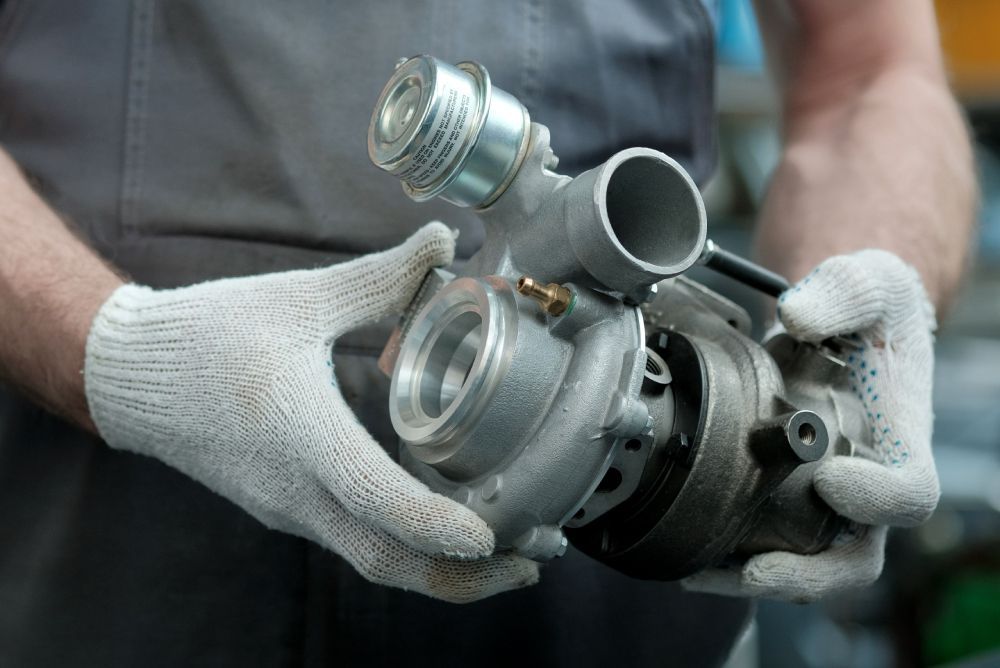
Common Ford Powerstroke problems include EGR failures, injector issues, and turbo faults. Learn the warning signs and when to schedule diesel repair.
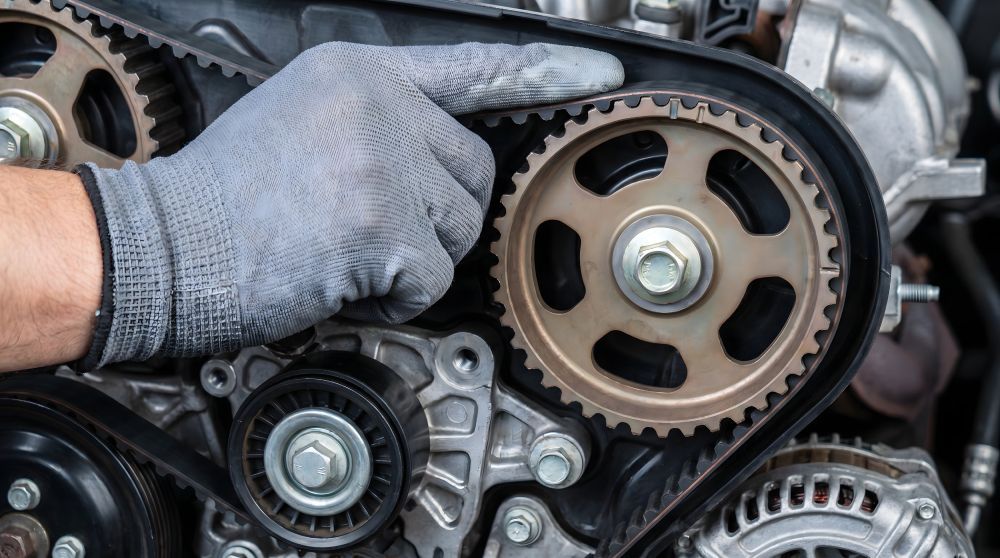
A timing belt replacement protects your engine from costly damage. Learn typical mileage intervals, warning signs, and when to schedule service.